

Some of the people who need pelvic floor physical therapy the most live the farthest from anyone who provides it. If you are in rural western Wisconsin or greater Minnesota, the nearest pelvic PT might be an hour or more away, and that drive is exactly why so many people just live with leaking, prolapse symptoms, or pelvic pain. Telehealth closes that gap. Here is what a virtual session at Enhance PT actually looks like, what it handles well, and where in-person care is still the better tool.
What does a telehealth PT session actually look like?
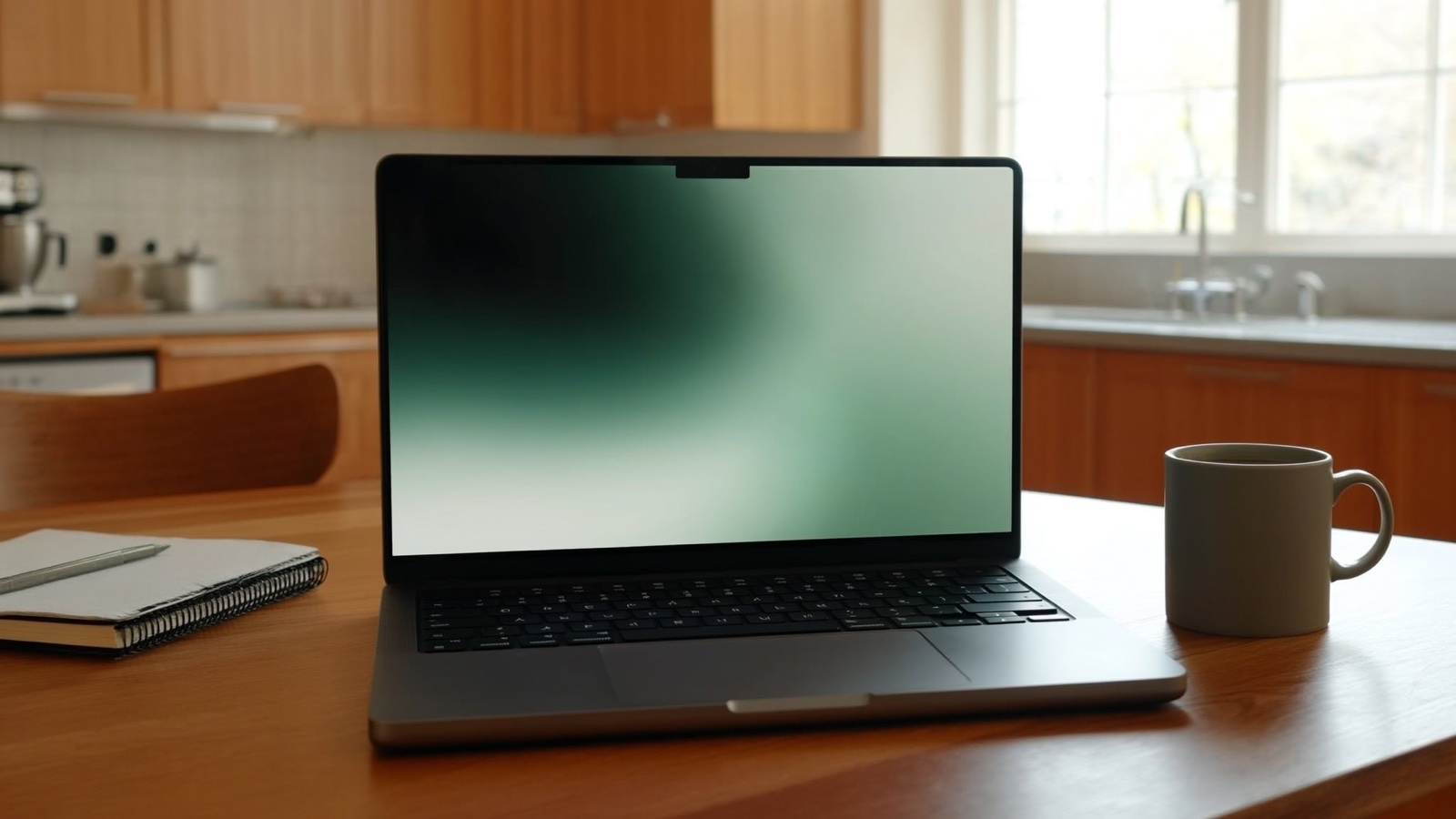
It is a real evaluation, not a phone call with a logo on it. A telehealth visit at Enhance PT is a full 60 minutes, one-on-one with me over secure video, and it follows the same structure as an in-person evaluation: a detailed conversation about your history, symptoms, and goals, followed by a movement assessment I direct over video.
You set your camera up so I can see you move, and I watch the same things I watch in the clinic: how you breathe, squat, bend, and balance, how your ribs and pelvis coordinate, where you brace or collapse under load. I also guide you through self-assessment techniques, where you become my hands and report back what you feel. Between what I can see and what you can feel, I get a genuinely useful picture, and you leave the session with a plan and a home program, just like an in-person client does.
What does telehealth handle well?
Telehealth shines anywhere the treatment is education, coaching, and progression rather than my hands. Bladder and bowel habit retraining is a great example: fixing a straining pattern, a "just in case" peeing habit, or a fluid timing problem is conversation and coaching, and it works exactly as well over video. The same goes for exercise progression, breathing and pressure management, and pregnancy and postpartum guidance, where most of the value is knowing precisely what to do this week and what to change next week.
It is also ideal for follow-ups between in-person visits. If you have already had a hands-on evaluation at the clinic in Stillwater, a video check-in to progress your program saves you the drive without slowing your progress. You can read more about the format on the telehealth page.
When is in-person the better choice?
Whenever the most useful next step is my hands. Internal pelvic floor assessment, manual therapy, dry needling, and certain hands-on orthopedic techniques simply cannot happen through a screen. If your situation calls for those, I will tell you directly rather than stretch telehealth past what it does well.
Here is the honest breakdown:
| Great fit for telehealth | Better in person |
|---|---|
| Bladder and bowel habit coaching | Internal pelvic floor assessment |
| Exercise progression and home program updates | Manual therapy and hands-on treatment |
| Pregnancy and postpartum guidance | Dry needling |
| Follow-ups between in-person visits | Complex cases where hands-on testing changes the plan |
| Rural MN and WI clients with no pelvic PT nearby | Anything where video assessment leaves real questions |
This is not a compromise. A systematic review and meta-analysis found real-time telerehabilitation effective and comparable to in-person care for musculoskeletal conditions.
Who can book a telehealth visit?
Anyone physically located in Minnesota or Wisconsin at the time of the session. I am licensed in both states, which matters because PT licensure is state-based: a therapist licensed only in Minnesota cannot treat you while you sit at your kitchen table in Wisconsin. Dual licensure means the whole map is open, from the East Metro to Eau Claire and everywhere between.
Minnesota's direct access law also applies, so you can start with an evaluation, no physician referral required, for up to 90 days of care. Details are available through the Minnesota Board of Physical Therapy. Pricing is the same as in-person: $200 for a 60-minute evaluation, $175 for follow-ups, HSA and FSA accepted.
What if you are in Hudson or western Wisconsin?
You get to choose, because you are close enough for both. Enhance PT sits inside River Valley Athletic Club in Stillwater, a short drive across the river from Hudson, so in-person care is easy to reach. But plenty of my Wisconsin clients prefer to mix it: hands-on visits in Stillwater when the plan calls for them, video visits from home when it does not.
And if you are farther out, in the farm country east of the St. Croix Valley or anywhere in Wisconsin without a pelvic PT in reasonable driving distance, telehealth may be the difference between getting care and continuing to put it off. Leaking, heaviness, and pelvic pain are common, but they are not things you have to live with just because of your zip code.
How does hybrid care work?
The most common pattern is an in-person evaluation followed by a mix of visit types. The first visit happens at the clinic so I can do the full hands-on assessment, including internal pelvic floor assessment if appropriate and consented to. From there, we schedule based on what each visit needs to accomplish: video for coaching and progression, in person for manual work and re-assessment.
For many clients that means fewer drives without slower results, and since most clients see meaningful change in 4 to 8 visits, the total commitment stays manageable either way. If you are not sure which format fits your situation, reach out through the contact page or call and ask. I will give you a straight answer.
The bottom line
Telehealth physical therapy at Enhance PT is a full 60-minute, one-on-one session with a movement assessment over video, available to anyone in Minnesota or Wisconsin because I am licensed in both states. It excels at habit coaching, exercise progression, pregnancy and postpartum guidance, and follow-ups, while hands-on care like manual therapy and internal assessment still belongs in the clinic in Stillwater. Whether you are across the river in Hudson or hours from the nearest pelvic PT, distance no longer has to be the reason you wait. Schedule online or call (651) 369-1196.